

A beginner lower ab workout that actually sticks is about less pain and more progress. I put together 12 moves that gave me visible tightness without endless crunch burnouts, all doable with stuff you probably already have or can buy for $10 to $70, with a couple splurges around $100. Start with the easiest, add load or time, and keep the neck and hips out of the equation.
Most of these focus on control and hip position, not just reps. Most items are under $50, a few useful tools around $100 to $140. These suit beginners, apartment lifters, and mobility-first athletes. Lately I see people favoring high-tension bands and single-dumbbell progressions for lower abdominal work.
1. Hanging Knee Raises For Starter Strength
Style: Strength | Budget: Under $50 | Best For: Beginners with a doorway bar

Hanging knee raises beat crunches for lower-rectus focus and spinal neutrality. Use a doorway pull-up bar and start with single-leg raises if fatigue hits; I began with 3 sets of 8 and added reps before weight. Tip: tuck your ribs, breathe out on the lift, and avoid swinging hips. I bought a basic doorway bar at Walmart for about $25 and it lasted; cheaper spring bars snap, ugly truth I learned.
Shop this idea:
2. Lying Reverse Crunch With Controlled Tempo
Style: Strength | Budget: Under $20 | Best For: No-equipment beginners
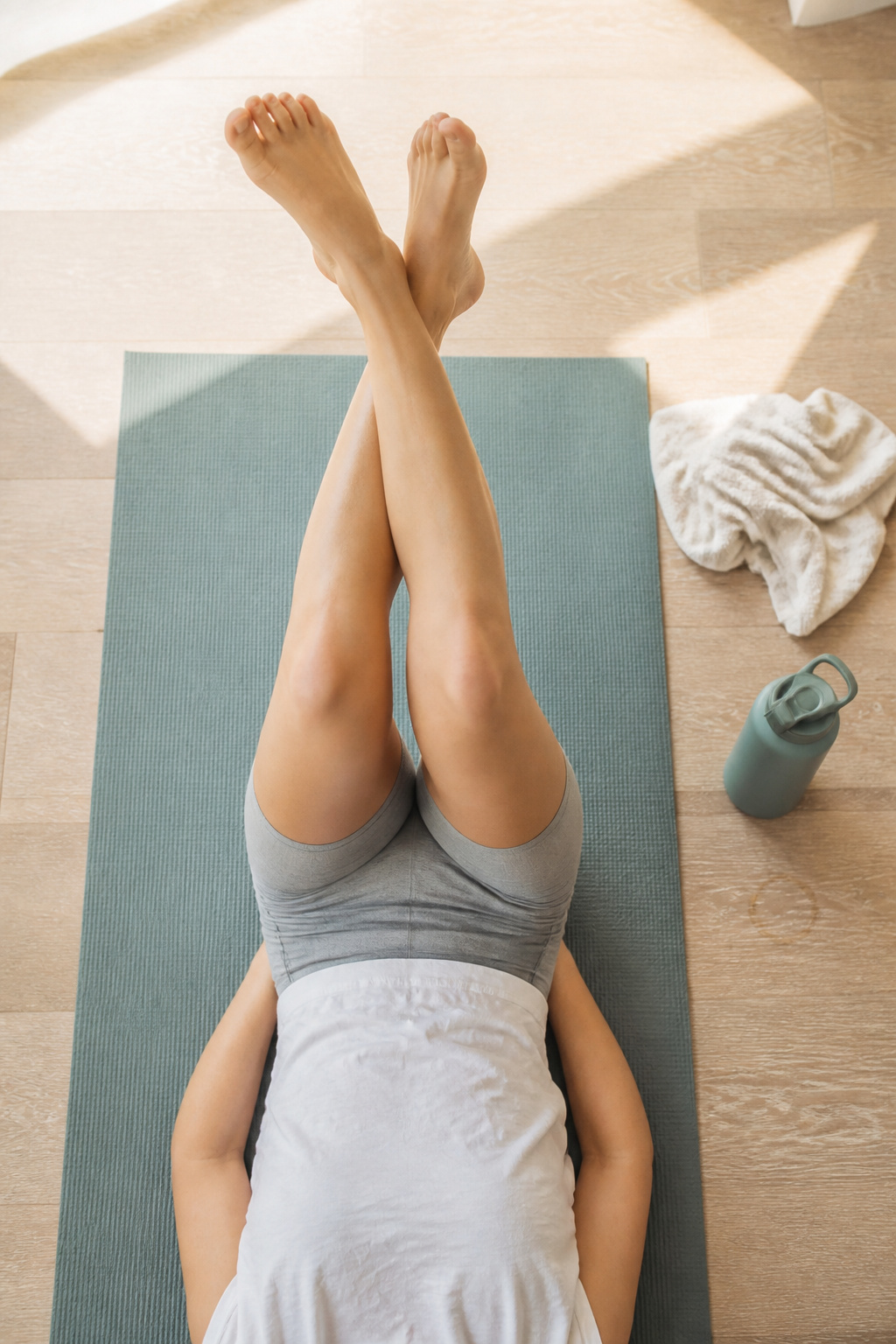
Reverse crunches let you feel the lower belly engage without neck strain. I count three seconds up, three down—tempo makes all the difference. Keep the low back glued to the floor, and if your hips lift, regress by bending knees more. I used ankle circles as prehab in week two and my groin stayed happy. Cheap but effective, this move needs zero gear.
Shop this idea:
3. Dead Bug Progressions For Deep Core Control
Style: Mobility & Stability | Budget: Under $15 | Best For: Pain-prone beginners
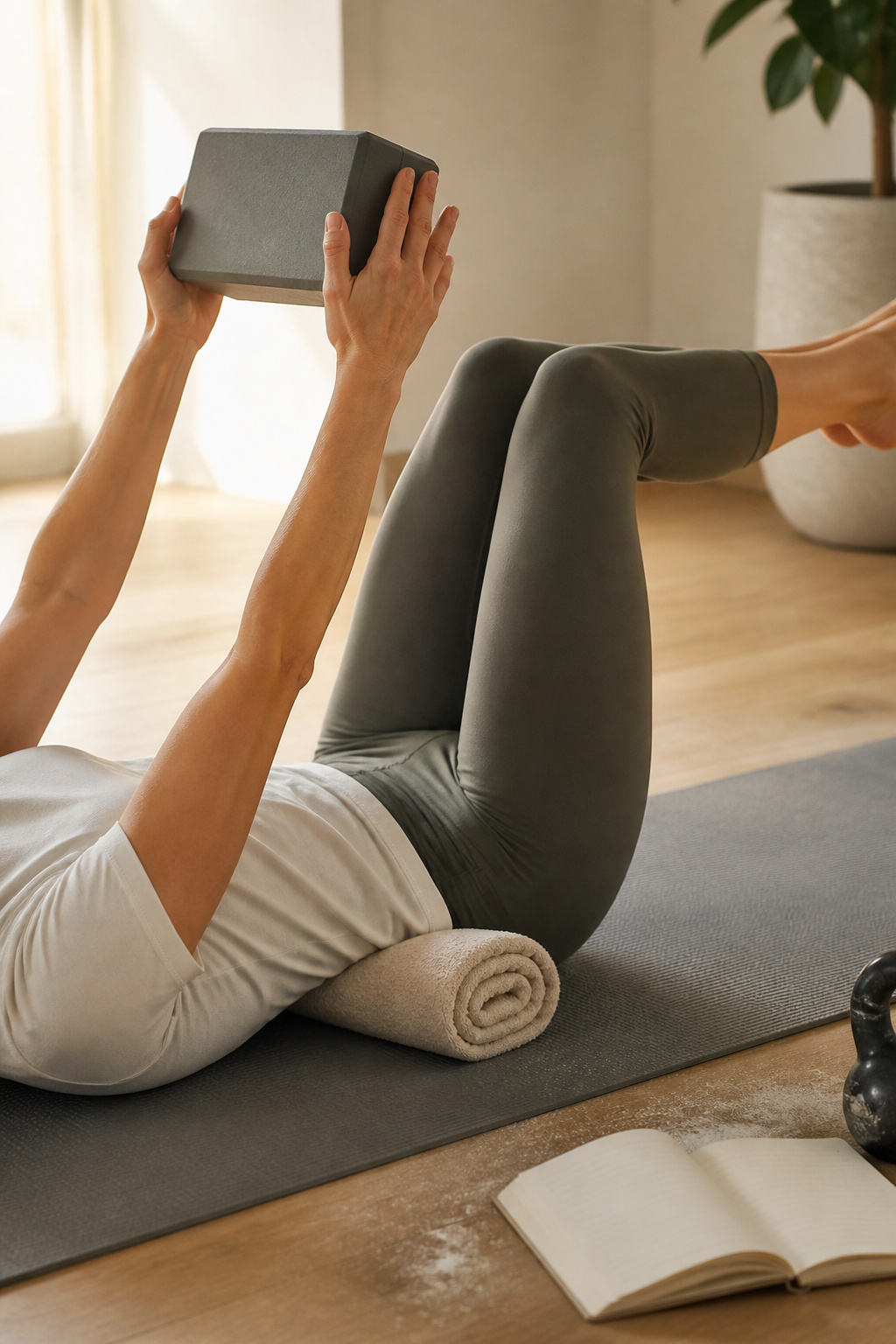
Dead bugs teach the pelvic tilt that lower abs need. Start lying, press low back to floor, extend opposite arm and leg slowly. My first week I rushed and felt hip flexor take over—better to go slow and stop when form breaks. I clipped a small foam block between thighs to stop knee splay, and that fixed my compensation instantly.
Shop this idea:
4. Lying Leg Raises With Light Ankle Weights
Style: Strength | Budget: Under $40 | Best For: Gradual loading at home

Leg raises scale easily with ankle weights. I started bodyweight, then added a 2 lb ankle weight per leg and went from sets of 10 to 3 sets of 15 in four weeks. Tip: keep a small posterior pelvic tilt and pause at top to avoid lumbar arch. I once added too much weight too fast and felt lower-back soreness for days, ugly truth—progress slow.
Shop this idea:
5. Ab Wheel Rollouts With Knee Pad
Style: Strength | Budget: Under $35 | Best For: Beginners ready for progression

Ab wheels demand total core tension; start from kneeling and roll to where you can control return. I used a 6-inch wheel with knurled steel axle; the grip matters for wrist comfort. Tip: exhale during the rollout and keep scapulas stacked. Ugly truth: many folks try standing rollouts too soon and tweak their shoulders. I built up by limiting range and adding reps.
Shop this idea:
6. Stability Ball Hamstring Curls For Posterior Support
Style: Strength & Mobility | Budget: Under $30 | Best For: Beginners improving pelvic control
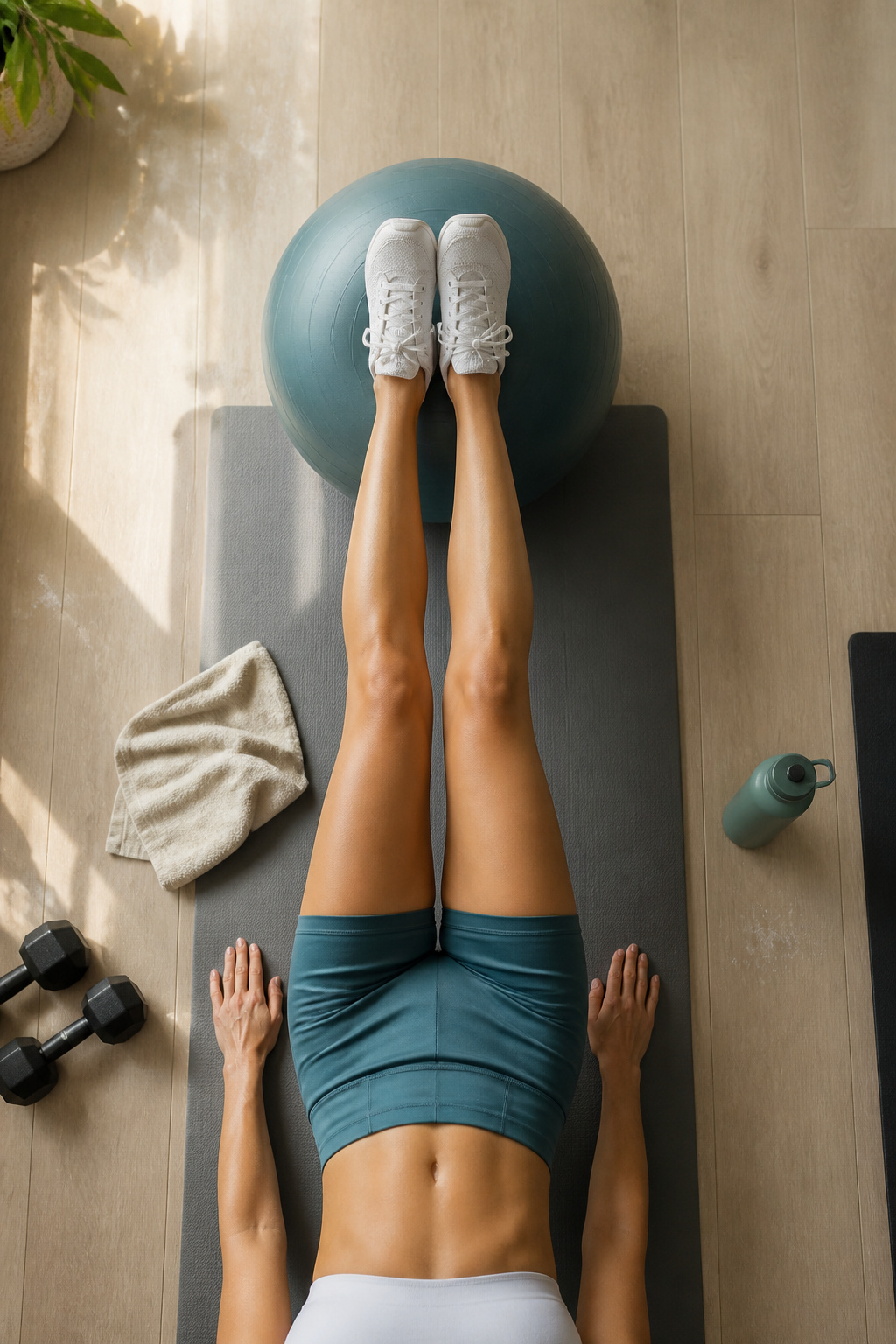
Hamstring curls on a stability ball reduce direct lumbar strain while training posterior chain that helps lower-rectus aesthetics. Start with feet hip-width and lift hips to a bridge before curling. I added a tempo of 2 seconds curl, 2 seconds extend and saw better glute engagement. Bought a 55 cm ball for about $25; choose size by your height.
Shop this idea:
7. TRX or Band Pike For Anti-Extension Strength
Style: Conditioning | Budget: Under $100 | Best For: Apartment athletes
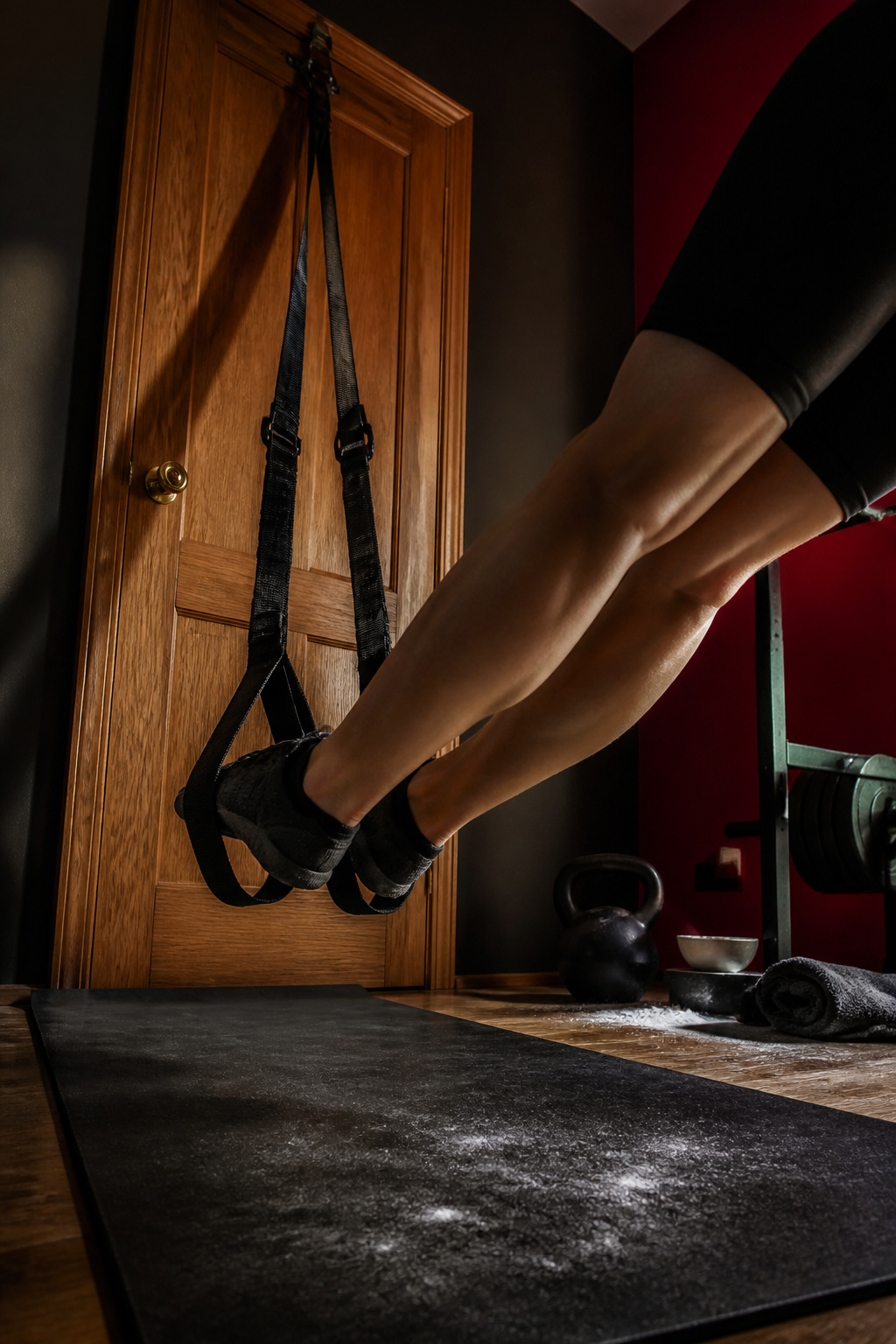
TRX or long loop bands do pikes that challenge the lower abs without compressing the neck. Progress from knee tucks to full pikes. I rep sets of 8 with a band looped from a pull-up mount, and it stung in the right way. Tip: keep hips high and avoid sagging midline. I bought a mid-length TRX knockoff for $60 and it survived heavy use.
Shop this idea:
8. Standing Cable or Band Reverse Crunch
Style: Strength | Budget: Under $30 | Best For: Small-space lifters

Anchor a band low, loop around your hips, and perform standing reverse crunches for vertical pelvic drive. I find this spares the spine and puts load on the lower rectus. Use a medium band and step forward to increase tension. Practical cue: tuck the pelvis and drive knees up, not back. I bought black loop bands at Dick’s on clearance once; they outlasted flimsy green bands I had.
Shop this idea:
9. Mountain Climbers With Sliders For Tempo
Style: Conditioning | Budget: Under $25 | Best For: Cardio plus core

Mountain climbers with sliders teach continuous anti-extension under tempo. I do 20 seconds on, 10 off, three rounds. Keep hips low and drive knees under the chest; if hips rise, pause. Sliders are cheap and travel well. Ugly truth: speed without control is pointless, I learned after three sloppy months.
Shop this idea:
10. Seated V-Sit Progression Using Yoga Block
Style: Strength & Stability | Budget: Under $25 | Best For: Core endurance beginners
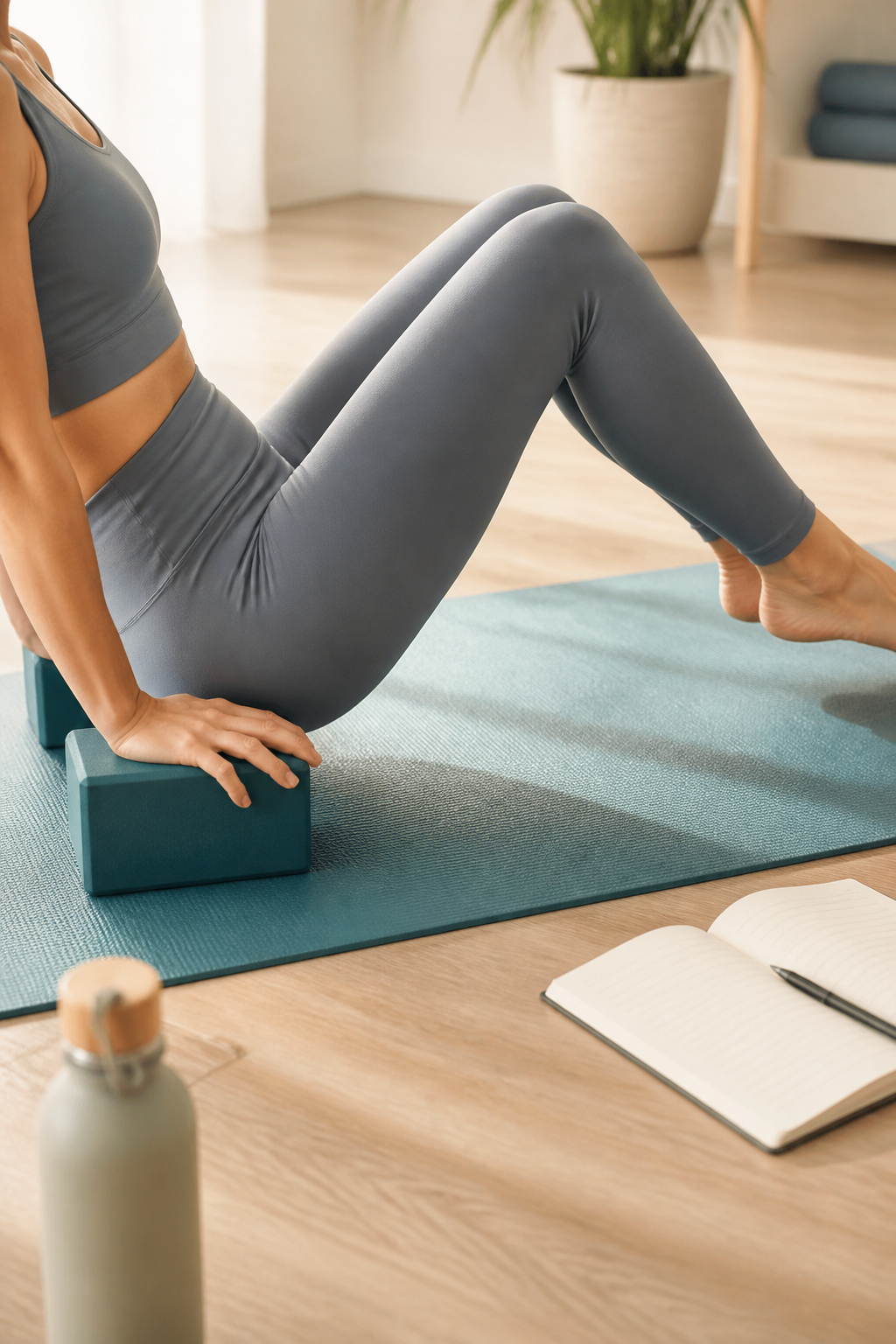
V-sit variations build isometric lower-rectus strength and hip flexor control. Start with half-V and hands on block, holding 15 to 30 seconds and adding 5 seconds each week. My hamstrings screamed the first week; stretching helped. Practical cue: chest up and ribs down, not rounded. I use a 9-inch cork block that gives steady support.
Shop this idea:
11. Pallof Press With Band For Anti-Rotation
Style: Stability | Budget: Under $30 | Best For: Beginners preventing torso collapse

Pallof presses teach resisting rotation which tightens lower abs indirectly. Attach a band to a door anchor at chest height and press straight out. I do 3 sets of 10 each side. Tip: brace the glutes and breathe into the belly to avoid rib flare. I bought a heavy band for about $25 and keep it on a hook near the door.
Shop this idea:
12. Farmers Carry With Short Holds For Core Bracing
Style: Conditioning & Strength | Budget: Under $150 | Best For: Whole-core beginners

Carrying heavy things builds anti-extension and lower abdominal bracing in real life. Short carries of 20 to 40 meters with 12 to 24 kg kettlebells make the lower belly work to keep you upright. I do farmer walks as finishers; they spike core fatigue without crunching. Ugly truth: cheap kettlebells wobble and hurt wrists—buy cast-iron or adjustable pairs.
Shop this idea:
What You'll Need to Get This Setup
Strength & Free Weights
- Cast iron kettlebell 8 to 24 kg around $20 to $100
- Adjustable dumbbell pair 5 to 50 lb around $100 to $300
- Doorway pull-up bar around $20 to $60
Cardio & Conditioning
- Exercise sliders pair approx $10 to $25
- Jump rope speed rope approx $10 to $30
Mobility & Recovery
- Foam roller 36 inch around $20 to $60
- TheraBand resistance set approx $15 to $40
Apparel & Accessories
- Grip chalk bowl approx $8 to $20
- Neoprene knee pad approx $10 to $25
Budget Swaps
- [Used dumbbells on Facebook Marketplace] similar on Marketplace for less
- Loop resistance bands set cheap alternative approx $10 to $25
- [Secondhand stability ball] similar on Craigslist for less
Shopping Tips for These Setups
Buy seasonal:
Stock up on bands and kettlebells around Black Friday and end-of-winter clearance, when basic gear drops in price. Adjustable dumbbell pair 5 to 50 lb
Inspect build, not color:
Cheap bands often snap; check thickness and welded seams before buying. Heavy resistance band 41 inch
Buy used smart:
Look for cast-iron kettlebells and dumbbells on local marketplaces; they’re often cheaper and durable, but avoid rusty collars. Cast iron kettlebell 8 to 24 kg
Trend watch 2025:
High-tension long-loop bands and single-dumbbell progressions are still growing in popularity for apartment training. Long resistance band 41 inch
Seasonal timing hack:
Buy stability balls and mats in summer; people donate gym gear in late summer, driving clearance prices down. 55 cm stability exercise ball
Frequently Asked Questions
Q: Do crunches help lower abs?
A: No. Spot reduction is a myth, and crunches mainly target upper rectus while stressing the neck. Swap to reverse crunches and leg raises for lower focus. Try a simple ab wheel roller as a progression.
Q: How often should a beginner train lower abs?
A: Two to three times per week, paired with full-body work. Short, controlled sessions beat daily sloppy reps. A 10-minute circuit is enough with loop resistance bands.
Q: Can I work lower abs with no equipment?
A: Yes. Dead bugs, reverse crunches, and leg raises need zero gear and are highly effective. For slight resistance, use a small foam yoga block.
Q: Will adding ankle weights help?
A: Yes, slowly. Start with 1 to 2 lb per ankle and progress to 4 to 5 lb over weeks. Too heavy too fast caused my lower-back ache once—use adjustable ankle weights.
Conclusion
Start with one beginner lower ab workout from this list, pick an easy tool, and do it twice a week for four weeks. The trick is controlled movement, not high reps. Which of these 12 will you try first, and what gear do you already own?

