
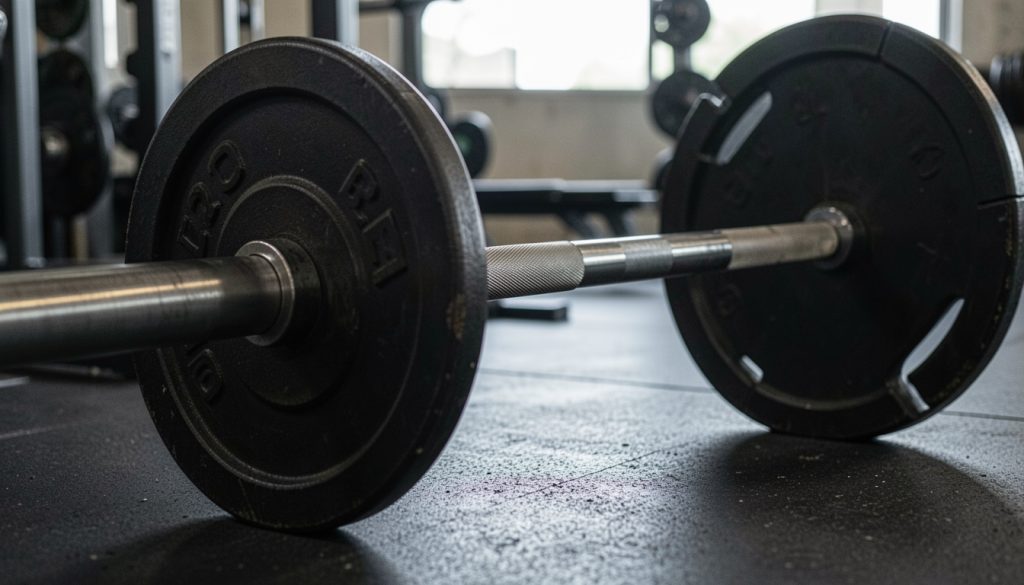
Okay, real talk – a deadlift workout used to feel like a mystery to me, like everyone else knew a secret handshake and I did not. I remember staring at the bar in the corner of the gym, heart racing, wondering if I’d hurt my back or actually level up my strength.
I made this article because I wanted a straightforward, no-bull guide to deadlift workouts that actually build a stronger pull – and because I kept losing my notes between gym sessions, lol. I’ve tried messy programs, online guru plans, and a coach who made me laugh and cry in the same session – so I’m sharing the stuff that stuck.
You’ll get 17 different deadlift-focused workouts, quick takeaways, and simple tips to pick the right one for your goals. Let’s make deadlifts feel less intimidating and more like something you’ll actually look forward to.
These 17 Deadlift Workouts Will Build a Stronger Pull
Barbell Warm-Up Flow
Simple warm-up sequences save me more workouts than any flashy accessory ever did. This one centers around light barbell movements to wake up the posterior chain – I do it before almost every heavy day. If you skip warm-ups, please don’t be me – you’ll thank yourself later.
Kettlebell Deadlift Drill
Using a kettlebell to practice hip hinge mechanics is low-stress and wildly effective. I started swapping a few warm-up sets with a kettlebell and noticed my bar speed improved. Try it when you’re short on time – it’s quick and forgiving.
Beginner Barbell Routine
This is the routine I recommend to friends who are brand new to deadlifting. It’s basic, consistent, and focuses on building baseline strength without drama. You’ll probably feel awkward for a week or two – totally normal.
Speed Pulls Session
Speed pulls train your nervous system to move the bar faster – fun and addicting. I do these on lighter days and my heavier singles feel magically easier after a month. Keep the weight light and focus on explosive intent, not ego.
CrossFit Style Ladder
If you like varied, sweaty sessions this ladder makes deadlifts feel like a game. Once I did one on a whim and laughed the whole time because it was so different from my regular sets. It’s a good change-of-pace and builds work capacity.
Light Technique Sets
Technique-focused sets are my secret for slow, steady progress. Don’t rush these – I often film one set to check my hip hinge and posture. Little tweaks here lead to fewer missed reps later.
Wall-Facing Pulls
This one makes you stay tall through the pull by starting near a wall or rack. I used it during a frustrating month where my hips were doing their own thing – huge correction. Try it for one week and you’ll notice timing improve.
Floor-Based Mobility Mix
Don’t skip mobility – it’s the unsung hero of deadlifting. I love combining hamstring stretches and glute activation before heavier lifts. These small rituals make heavy sessions cleaner and less scary.
Deadlift From Blocks
Pulling from blocks helps you focus on the top half of the lift and build lockout strength. I did a three-week block pull cycle when my lockout stalled and it worked wonders. If your hinge is solid but top-end is weak, try this.
Paused Deadlift Sets
Pausing at the knees increases time under tension and improves technique under stress. Once I added pauses into my program, my positioning felt way more consistent in heavy singles. Start light and be patient with the grind.
Accessory Back Day
Accessory lifts like rows and back extensions make your deadlift feel safer and stronger. I pair these with core work and notice fewer lower-back twinges. It’s boring sometimes, but your future self will be grateful.
Conditioning + Deadlifts
Mixing short conditioning pieces with deadlifts builds stamina for longer sets or competitions. I did this when training for a local meet and it helped my recovery between heavy attempts. Expect to sweat – it’s part of the fun.
Beginner-Friendly Routine
This is a gentle, beginner-specific plan I gave to my cousin when she started lifting. It’s approachable and gradually increases volume so you don’t get overwhelmed. If you’re new, start here and celebrate tiny wins.
Mixed Grip Practice
Working on mixed grip helps with heavier pulls when the bar wants to roll. I learned the hard way – ripped calluses and all – so be mindful and switch sides. Chalk and grip work are your allies.
Grip-Only Sessions
Don’t underestimate grip training – it’s often the bottleneck for many lifters. I’ll toss in heavy holds and farmer walks on my off days and my deadlift doubles feel easier. Tiny investment, big payoff.
Common Mistake Visuals
Seeing what not to do saved me weeks of bad habits – yep, I learned the hard way at first. This pin highlights common errors and corrections in a simple way. Use it as a checklist when you practice your form.
Simple Weekly Split
A straightforward weekly split helps balance heavy pulls with recovery. I love routine – it keeps me consistent even when life is chaotic. Stick to a plan for a few months and measure the gains, not the day-to-day mood swings.
How to Actually Make This Work For You
Start by picking one of the deadlift workouts above that matches your current strength and schedule – not the flashiest one, the realistic one. Then commit to 6-8 weeks of consistent training and small progressive increases in load or volume; I promise progress shows up when you stop jumping from plan to plan. Prioritize mobility and recovery on off-days because tight hips and tired shoulders kill progress faster than missing a single heavy day. Lastly, log your sessions for two reasons – it keeps you honest and it’s oddly motivating to look back at small wins.
How often should I deadlift in a week?
For most people, 1-3 times per week is ideal depending on intensity and experience – beginners can start with once a week and add frequency as technique and recovery improve. Listen to your body and adjust based on joint soreness and overall energy.
Will deadlifts hurt my back?
Deadlifts can be safe when done with good form and appropriate loads – poor technique or ego lifting is what usually causes pain. If you’re nervous, start with lighter technique-focused sets and consider coaching or video feedback to correct posture.
Do I need special equipment?
Basic gear like a barbell, plates, and chalk is often enough; a belt, lifting shoes, or straps are useful but not mandatory. Use equipment as tools to help progression, not crutches to hide sloppy form.
How long until I see results?
Expect noticeable strength gains in 6-12 weeks with consistent training and progressive overload, though small improvements can show sooner. Keep realistic expectations and celebrate incremental improvements – they add up fast.

